Bamboo: Elevating Modern Design with a Unique Color Font
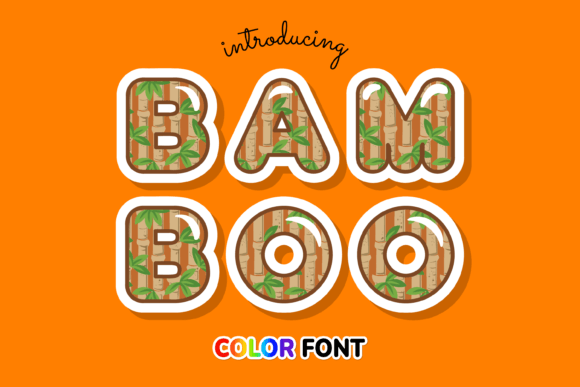
Imagine a design element that instantly brings organic warmth, sophisticated texture, and a touch of modern artistry to any project. That's the power of the Bamboo color font. This isn't just another typeface; it's a versatile creative asset designed to infuse your work with a distinct visual personality, making it a standout choice for designers and creators seeking to move beyond flat, monochrome typography.
As a color font—specifically an OpenType-SVG file—Bamboo renders each character with built-in color gradients, textures, and nuanced details that traditional fonts simply cannot achieve. This technology allows for incredibly realistic and complex visual effects directly within your text, streamlining your design workflow. Its compatibility with professional design software like Adobe Photoshop, Illustrator, and Inkscape makes it a powerful tool for a wide range of creative applications.
Practical Applications for Visual Impact
The true value of a resource like Bamboo lies in its application. Its unique aesthetic makes it particularly effective for projects where visual impact and brand differentiation are paramount.
- Branding and Logo Design: Use Bamboo to craft memorable logos or brand marks that convey creativity, natural elegance, or artisanal quality. It’s perfect for brands in wellness, lifestyle, eco-friendly products, or boutique services.
- Marketing and Social Media Graphics: Capture attention in crowded feeds. Bamboo adds instant visual hierarchy and a premium feel to headlines, promotional banners, and social media stories, boosting engagement.
- Packaging and Editorial Design: For product labels, book covers, or magazine layouts, this font can create a tactile, high-end look that communicates quality before a customer even reads the copy.
- Web and UI Design: When used sparingly for hero text or key call-to-action buttons, Bamboo can enhance a website’s user experience (UX) by adding a unique focal point that guides the user’s eye.
Integrating a Specialized Font into Your Workflow
Adopting a distinctive asset like Bamboo requires thoughtful consideration to ensure it aligns with your project's goals and enhances, rather than overwhelms, your design. Here are key factors for effective implementation:
- Audience and Context: Consider your target audience. Does the playful, textured quality of Bamboo resonate with their expectations? It’s ideal for creative industries and consumer-facing brands but may be less suitable for formal corporate communications.
- Visual Hierarchy and Readability: Use Bamboo strategically for headlines, logos, or short, impactful text blocks. Its detailed nature makes it less suitable for long paragraphs. Pair it with a clean, simple sans-serif or serif font for body copy to maintain balance and readability.
- Consistency with Brand Identity: Ensure the font’s color palette and texture complement your existing brand colors and overall visual system. You may need to adjust the color values within your design software to achieve perfect harmony.
- Technical Compatibility: Always verify file format compatibility with your software stack. Remember that color fonts like Bamboo have specific requirements and are not universally supported, such as with Cricut machines.
Ultimately, the most effective designs result from intentional choices. A specialized tool like the Bamboo color font is more than a decorative option; it's a strategic asset that can solve specific communication challenges, from establishing a unique brand voice to creating scroll-stopping digital content. By focusing on context, compatibility, and clarity, you can leverage such creative resources to produce professional, cohesive, and visually compelling work that truly stands out.