Halloween Table: Spooky Typography for Creative Designs
Imagine capturing the essence of a crisp autumn night, where jack-o'-lanterns grin and shadows dance, directly within your typography. This is the magic that a specialized design asset like Halloween Table brings to a project. As a set of four colored font styles, it offers more than just letters; it provides an immediate visual narrative. In modern graphic design, where standing out is paramount, leveraging such themed creative assets can transform a standard design into an immersive experience, making it an invaluable tool for designers, marketers, and creators during the spooky season and beyond.
Understanding Halloween Table in Visual Design
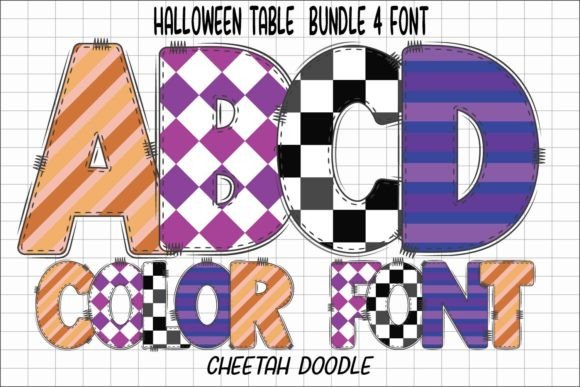
Halloween Table is a typographic solution designed to inject festive energy into creative projects. Its value lies in its ability to communicate a specific mood—in this case, the enchanted and spooky atmosphere of Halloween—through color and form. This aligns perfectly with key graphic design principles: typography isn't just about legibility; it's a powerful component of visual hierarchy and brand identity. A themed font can set the tone instantly, guiding the viewer's emotional response and enhancing the overall user experience of a design.
Practically, this asset consists of four distinct colored styles, offering versatility for various applications. It's crucial to note its compatibility: the black version works with cutting machines like Cricut, ideal for physical crafts, while the color versions require specific design software such as Adobe Photoshop, Illustrator, or Inkscape. This distinction highlights the importance of evaluating a design asset's technical specifications against your workflow and project goals—a fundamental step in any professional design process.
Practical Applications for Impactful Creations
The true strength of a tool like Halloween Table is revealed in its application. It serves as a catalyst for creativity across numerous domains, helping to produce polished and engaging results. Consider how it can elevate your work:
- Branding and Logo Design: Create seasonal logos or sub-brands for Halloween-themed events, products, or marketing campaigns, ensuring brand consistency with a festive twist.
- Marketing Materials & Advertising: Design eye-catching posters, flyers, and digital ads that immediately convey the holiday spirit, improving campaign engagement and recall.
- Social Media Content: Develop scroll-stopping graphics, Stories, and video thumbnails that capitalize on seasonal trends, boosting reach and interaction for digital marketing efforts.
- Website and UI Design: Use themed typography for holiday banners, promotional landing pages, or app interfaces to create a timely and immersive user interface (UI) experience.
- Packaging and Print Design: Apply the font to product labels, treat bags, or event invitations for a cohesive and professional presentation that delights customers.
Tips for Effective Implementation
To maximize the impact of any themed typography, thoughtful integration is key. First, consider your audience and design goals. A playful, colored font suits children's party invitations but may not align with a sophisticated brand's primary identity. Use it strategically for emphasis rather than for long body text to maintain readability and visual hierarchy.
Ensure consistency by pairing Halloween Table with complementary, neutral fonts for supporting text. This maintains a clean design and prevents visual clutter. Always test the font at various sizes and on different backgrounds to guarantee scalability and legibility, especially for digital platforms where viewing contexts vary. Finally, respect the asset's licensing and compatibility notes to integrate it smoothly into your design workflow, whether for print or digital output.
In the dynamic field of visual communication, the right creative assets are more than decorative elements; they are tools for storytelling and connection. A resource like Halloween Table demonstrates how targeted typography can solve specific design challenges, enhance branding, and create memorable user experiences. By making informed, intentional choices about every visual element, designers can craft work that is not only aesthetically compelling but also strategically effective, turning seasonal inspiration into professional success.