Checkered Retro: A Bold Font for Creative Design
In a digital landscape saturated with minimalism, the bold, graphic punch of a checkered pattern commands attention. This is where Checkered Retro, a distinctive checkered font, enters the conversation, offering designers a powerful tool to inject nostalgia and high-impact visual energy into their projects. More than just a typeface, it’s a statement piece rooted in the playful geometry of a checkerboard.
Understanding the Checkered Alphabet
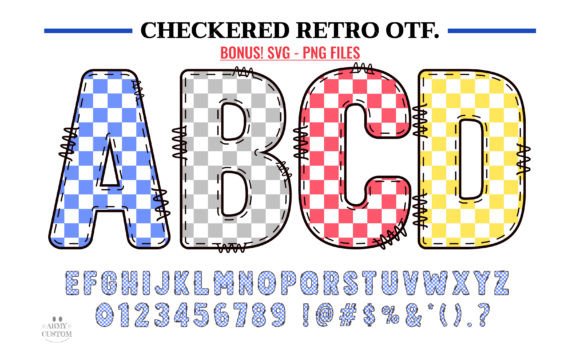
A checkered font, also known as a checkered alphabet, features characters built from a pattern of alternating squares or rectangles. This creates a textured, woven appearance that is inherently dynamic and eye-catching. The Checkered Retro style specifically channels mid-century and pop-art vibes, making it perfect for designs that aim to be fun, retro, or visually disruptive. Its strength lies in its ability to act as both a typographic element and a graphic pattern simultaneously.
Key Characteristics and Compatibility
When sourcing a checkered font like this, understanding file compatibility is crucial for a smooth design workflow. Typically, such fonts come in two formats:
- Black Version: This is a standard vector font, usually in OTF or TTF format. It is fully compatible with a wide range of software, including popular cutting machines like Cricut Design Space and Silhouette Studio. This version is ideal for single-color projects, vinyl cutting, and basic print work.
- Color Version: This is a specialized color font (often in SVG or COLR format) that contains the actual checkered pattern within the glyph. Important Note: The color version has limited compatibility. It works in advanced design programs like Adobe Photoshop, Illustrator, and Inkscape but is not compatible with most cutting machine software, including Cricut. Always verify compatibility before purchasing.
Practical Applications in Modern Design
The visual impact of a checkered font makes it a versatile asset across numerous creative projects. Its structured yet playful nature can elevate various aspects of graphic design and branding.
Branding and Logo Design: A checkered font can create an unforgettable logo, especially for brands in fashion, sports, gaming, or vintage-inspired markets. It communicates energy, competition, and a strong visual identity.
Marketing and Social Media: Use it for headline text on posters, flyers, or social media graphics to instantly grab a viewer’s eye. It’s particularly effective for event promotions, sale announcements, and YouTube thumbnails where stopping the scroll is paramount.
Editorial and Packaging Design: In magazine layouts or product packaging, this font can highlight key phrases, create interesting pull quotes, or serve as a bold label for merchandise. It adds a tactile, almost textile-like quality to flat designs.
Digital and Web Elements: While large blocks of text might be challenging, a checkered alphabet is excellent for UI accents, button text, or hero section headlines on websites aiming for a retro or arcade aesthetic. It enhances user engagement through visual novelty.
Tips for Effective Implementation
Integrating a strong stylistic font like Checkered Retro requires thoughtful consideration to maintain design integrity and readability.
- Prioritize Hierarchy: Use this font for headlines, logos, or short call-to-action phrases. Its density makes it unsuitable for body copy. Pair it with a clean, simple sans-serif or serif font for balanced readability.
- Consider Scale and Color: The pattern shines at larger sizes. Experiment with your brand’s color palette to customize the checkered squares, ensuring they align with your overall visual identity and contrast well against the background.
- Audience Alignment: Ensure the retro, graphic style resonates with your target demographic. It’s perfect for youthful, energetic, or niche retro audiences but may not suit corporate or highly conservative contexts.
- Test Compatibility: Always test font files in your specific design software before committing to a project, especially when using the color version for digital outputs.
Ultimately, choosing a creative asset like Checkered Retro is about making a deliberate design choice. It’s not just about filling space with text; it’s about using typography to evoke a specific mood, strengthen brand recognition, and create a memorable visual experience. In the realm of professional design, such intentional selection of assets is what transforms a good project into a great one, ensuring your message is not only seen but felt.