Autism Handprint: A Font That Makes a Statement
Imagine a typeface that does more than spell out words; it visually declares a message of unity, awareness, and love. For designers working on advocacy campaigns or educational projects, finding a font that carries such specific emotional weight can be challenging. The Autism Handprint font emerges as a powerful creative asset, transforming simple text into a vibrant, meaningful display that immediately captures attention and communicates its purpose.
Understanding the Visual Impact of Autism Handprint
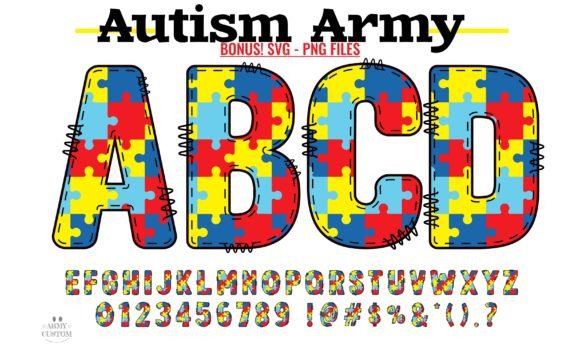
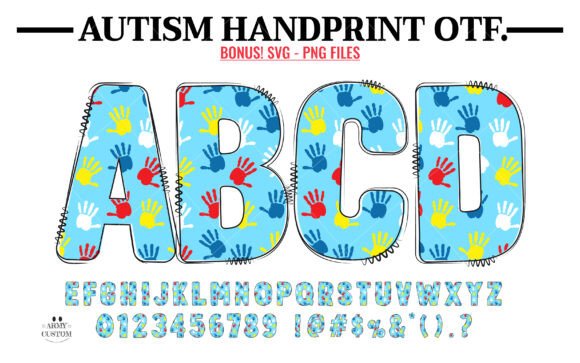
At its core, Autism Handprint is a bold display font where each letterform is filled with colorful handprint patterns. This design choice is intentional and symbolic, representing the collective effort and diverse spectrum within the autism community. From a graphic design perspective, it solves a key visual communication challenge: how to make a campaign for Autism Awareness Month instantly recognizable and emotionally resonant without relying on lengthy explanations.
The font's effectiveness lies in its visual hierarchy. Its bold, unmissable letters ensure the primary message is seen first, while the intricate handprint details engage viewers on a closer look, adding a layer of depth and meaning. This dual-layer approach enhances user engagement, making it ideal for projects where capturing both quick attention and deeper reflection is crucial.
Practical Applications for Designers and Creators
This specialized font is more than a novelty; it's a versatile tool for numerous creative projects. Its application spans both digital and print mediums, making it a valuable addition to any designer's toolkit for specific campaigns.
- Branding and Logo Design: Use it to create a powerful wordmark for non-profits, support groups, or annual awareness events, building an immediate brand identity centered on advocacy.
- Marketing and Social Media Graphics: Craft eye-catching posters, flyers, and social media content that stop the scroll. The font itself becomes a focal point, reducing the need for complex accompanying imagery.
- Merchandise and Packaging: Apply it to t-shirts, tote bags, and stickers. For packaging design of awareness-related products, it adds a unique, heartfelt touch that communicates the product's mission at a glance.
- Editorial and Web Design: Incorporate it into magazine headlines, blog banners, or website hero sections for features on autism awareness. It can also inspire the color palette for a broader UI design project during awareness campaigns.
Integrating Specialized Fonts into Your Design Workflow
When incorporating a distinct font like Autism Handprint into your design workflow, thoughtful execution is key. Its strong personality means it should be used as a headline or accent font, paired with a clean, highly readable sans-serif for body text to maintain readability and a balanced visual hierarchy.
Consider these tips for effective implementation:
- Context is Everything: Ensure the project's theme aligns with the font's message of awareness and support. Its power is diminished if used in an unrelated context.
- Scalability and Clarity: Test the font at various sizes. While bold, the handprint details need to remain clear in larger displays and should not be used for small, lengthy paragraphs where they could become visual noise.
- Color Synergy: Leverage the font's inherent color palette. Pull colors from the handprints to create a cohesive scheme for backgrounds, graphics, and other text elements, strengthening overall brand identity.
- Bonus Assets: Utilize the included SVG and PNG files. These can be deconstructed and used as standalone graphic elements, patterns, or icons throughout your creative assets, adding versatility beyond typography.
The inclusion of these bonus files significantly enhances the font's value, allowing for more dynamic compositions in print design, digital layouts, and even web design assets. This kind of resource thinking aligns with modern design trends that favor versatile, multi-use asset kits.
Ultimately, choosing a typeface like Autism Handprint is a deliberate design choice that prioritizes visual communication and emotional impact. It demonstrates how specialized typography can elevate a project from simply informational to truly inspirational, creating a professional presentation that resonates deeply with its audience and effectively champions its cause. In the realm of graphic design